Witch Hat: A Seasonal Embroidery Staple Worth Stocking
First Impression: Spooky Charm Meets Craftsmanship
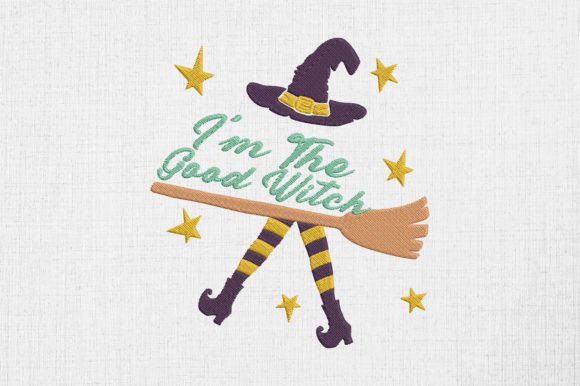
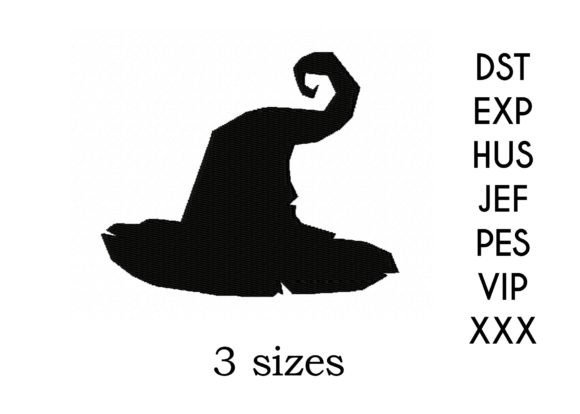
Opening the Witch Hat embroidery file, I felt that familiar seasonal spark—the kind that signals “yes, this belongs in my Halloween collection.” It’s not cartoonish or overly theatrical; it strikes a balanced tone: playfully eerie with just enough vintage charm to feel nostalgic, yet clean enough for modern apparel and home goods. The silhouette is bold and instantly recognizable—tall crown, wide brim, subtle texture hints—but avoids fussy layering or micro-details that struggle on fabric. That’s critical when you’re planning sweatshirt embroidery, tote bag design, or kitchen towel embroidery for real customers who want clarity at a glance.
Where Witch Hat Shines in Real Holiday Selling
This isn’t just another digital embroidery file—it’s a versatile seasonal embroidery asset. On family matching sweatshirts? It reads beautifully at 3.5–4 inches, especially with contrasting thread colors. As a centered motif on a linen pillow cover or embroidered patch for a denim jacket? It adds instant holiday personality without overwhelming the item. For Etsy sellers building gift bundles—think mini aprons + matching oven mitts + a set of embroidered tea towels—Witch Hat delivers cohesive, themed appeal. At craft fairs, a well-stitched Witch Hat on a natural canvas tote bag draws eyes faster than generic pumpkins. And because it’s scalable and clean-lined, it works seamlessly in printable mockups for social media previews, email banners, or even printable promotional graphics for your small shop product launch.
Smart Pairings Across Your Product Line
- Sweatshirt embroidery: Ideal for center-chest or left-chest placement—holds shape well on medium-weight fleece and blends effortlessly into cozy fall wardrobes.
- Tote bag design: Stitches crisply on canvas and duck cloth; looks premium when paired with matte black or deep purple thread.
- Kitchen towel embroidery: Works best near the hem or corner—its confident outline reads clearly even after repeated washing (when stabilized properly).
- Pillow cover & table linens: Elevates rustic or farmhouse-style decor without clashing—especially effective in muted charcoal, olive, or burnt sienna thread.
- Baby items & personalized gifts: Soften the spook factor with heather gray thread on ivory onesies or organic cotton burp cloths—still unmistakably Witch Hat, but gentle enough for newborn photo sessions.
Use With Intention: Where Caution Applies
Like any strong seasonal embroidery motif, Witch Hat demands thoughtful execution—not limitation. Avoid cramming it into hoops smaller than 4x4 inches; fine brim definition can blur or stitch poorly below that scale. On thick towels or textured fabrics like terry cloth, increase stabilizer layers—cutaway + tear-away combo prevents puckering and maintains crisp lines. Dark fabric? Test thread colors first: metallic gold may vanish, while matte burgundy or charcoal gray pops with depth. Stretchy garments (like ribbed knit long sleeves) require basting and light-hooping techniques—don’t assume standard hooping will hold. And if you’re stitching curved caps or baby beanies, confirm hoop compatibility *before* digitizing adjustments—some versions of Witch Hat include optional simplified outlines for such applications.
Why Witch Hat Builds Trust—and Sales—During Peak Season
Holiday embroidery isn’t just about aesthetics; it’s about emotional resonance and perceived value. Witch Hat taps into shared cultural shorthand—nostalgic, lighthearted, slightly mischievous—making it instantly relatable across age groups. That translates directly to buyer confidence: when a customer sees a cleanly stitched Witch Hat on your Etsy listing, they subconsciously register craftsmanship, attention to detail, and brand consistency. It elevates a basic apron into a handmade gift. It turns a plain ornament into a keepsake. In limited-edition drops, its visual recognition helps your products stand out in crowded feeds and search results—no extra caption needed. Most importantly, it supports repeat engagement: customers who buy a Witch Hat pillow cover this October often return next year for coordinating table linens or embroidered patches.
Designer Notes You’ll Want to Bookmark
- Always test thread colors on both light and dark fabric swatches—what looks rich on screen may read muddy in satin stitch on navy twill.
- Check stitch density before bulk production—high-density fills can stiffen delicate fabrics like silk-blend scarves or baby blankets.
- Confirm hoop size compatibility across your machines; some versions of Witch Hat offer alternate sizes—use the one matching your most common production setup.
- Match stabilizer to fabric texture: lightweight cutaway for knits, heavy cutaway for terrycloth, and water-soluble topping for fuzzy surfaces like sherpa.
- Create realistic mockups—not just white-background PNGs. Show Witch Hat stitched on a draped sweatshirt, folded kitchen towel, or hanging ornament to build buyer confidence.
- Review small details post-stitch: brim edges, crown taper, and inner contour should remain sharp—not frayed or overfilled.
- Plan thread palettes in advance: build coordinated kits—e.g., “Midnight Collection” (charcoal, silver, plum) or “Candy Corn Set” (cream, orange, black)—to streamline listings and gift bundles.
- Verify commercial licensing before selling finished product—this Witch Hat machine embroidery design is intended for commercial embroidery, but always double-check terms before scaling.
Bottom line? Witch Hat earns its place in your seasonal embroidery rotation—not as filler, but as a reliable, emotionally resonant anchor. Whether you’re launching a Halloween capsule collection, refreshing your Etsy shop for October traffic, or designing limited-run apparel for local events, it performs consistently across categories, scales thoughtfully, and connects with buyers on a visceral level. In a market flooded with generic motifs, Witch Hat stands out—not by shouting, but by stitching with quiet, confident charm.