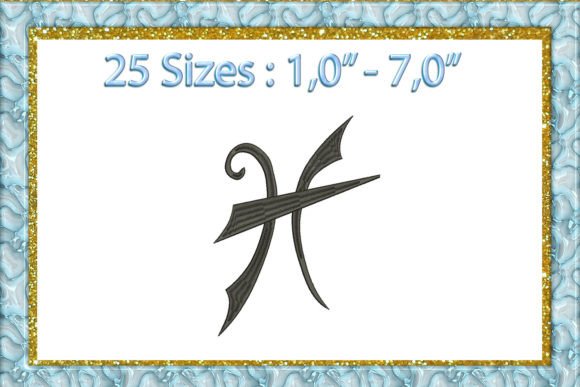
Zodiac Pisces Embroidery Design Review
First Impression: Friendly, Modern, and Brand-Ready
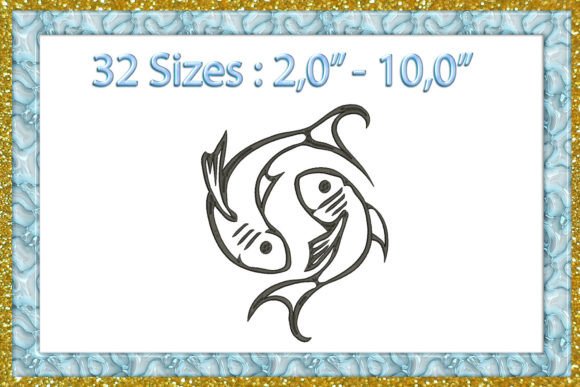
As an embroidery designer who’s created hundreds of commercial designs for small businesses—from artisanal bakeries to indie florists—I approached Zodiac Pisces with both curiosity and practicality. The title alone signals a design rooted in symbolism and personal resonance, but the real question is: does it translate into strong small business merch? Yes—when used intentionally. Zodiac Pisces feels modern yet timeless, clean enough for a boutique apron or cap front, but expressive enough to carry meaning on a tote bag or embroidered patch. It avoids over-decoration while retaining visual warmth—ideal for brands that value authenticity without sacrificing polish.
Real-World Performance Across Business Applications
Zodiac Pisces shines where many symbolic designs falter: versatility. As a machine embroidery design, it holds up beautifully across varied applications. On staff uniforms, it reads clearly at 2.5” wide—clean lines maintain integrity even after repeated laundering. For apron embroidery, its balanced proportions work well centered above the pocket or subtly placed on the left chest. In cap embroidery, it scales cleanly to 2” height without losing definition—critical when stitching onto curved, structured fronts. As a tote bag design, it adds quiet personality without overwhelming the canvas, especially when paired with minimalist typography.
For handmade brands selling on Etsy or at local markets, Zodiac Pisces functions as more than decoration—it becomes part of the story. A pet wellness brand might use it on bandanas; a creative studio could integrate it into limited-edition workshop swag. Because it carries symbolic weight (compassion, intuition, artistry), it resonates emotionally—strengthening brand identity without overt messaging. That emotional alignment builds trust faster than generic logos, especially among customers drawn to intentional, values-led businesses.
Where to Use Zodiac Pisces Thoughtfully
Like any digital embroidery file, Zodiac Pisces performs best when matched to context—not just aesthetics. Avoid placing it below 1.75” on high-curve surfaces like baseball caps unless you’ve verified stitch clarity in testing. Its symbolic outline may soften on heavily textured fabrics (e.g., thick canvas or looped terry) without proper stabilizer. On dark uniforms, confirm thread color contrast—light metallics or soft blues can recede if not balanced against background tone.
Also consider stitch density: while Zodiac Pisces isn’t overly dense, intricate inner details (like subtle wave motifs or dual-fish curvature) benefit from medium-weight cutaway stabilizer on lightweight knits or stretchy blends. If using it for product packaging accents—say, stitched onto fabric tags or gift pouches—verify that fine interior lines don’t “fill in” at smaller sizes. Always test at your intended final dimensions before bulk production.
Impact on Brand Identity and Customer Perception
Zodiac Pisces elevates perceived value—not through flashiness, but through intentionality. When customers see it on a café apron or bakery tote, they register care: in craft, in symbolism, in consistency. That subconsciously reinforces professionalism and attention to detail—key drivers of repeat engagement for local and online small businesses. Unlike clip-art-style icons, this design supports visual consistency across touchpoints: same motif on staff caps, customer thank-you patches, and seasonal event merch. That cohesion strengthens recognition and makes your custom apparel feel like a unified extension of your voice—not an afterthought.
For handmade product sellers, Zodiac Pisces bridges the gap between personal and professional. It signals individuality without sacrificing polish—a crucial balance when competing in saturated markets like Etsy or craft fairs. Customers don’t just buy the item; they connect with the narrative behind the symbol. That emotional resonance increases shareability, word-of-mouth referrals, and long-term loyalty.
Practical Designer Notes for Commercial Use
Before committing to production, follow these field-tested steps:
- Test in black and white first—to assess contrast, spacing, and silhouette strength independent of color psychology.
- Check minimum viable size—run a 1.5” version on scrap fabric matching your end-use material (e.g., twill for caps, cotton duck for totes).
- Review thread color contrast—especially for dark or heathered fabrics. Avoid low-contrast combos like navy-on-navy unless intentionally muted.
- Inspect interior spacing—ensure no tiny gaps close up during stitching due to tension or fabric movement.
- Confirm hoop size compatibility—some versions may require larger hoops; verify before digitizing for multi-position runs.
- Use appropriate stabilizer—cutaway for stable wovens, tear-away for stable knits, fusible + cutaway for stretchy or lightweight fabrics.
- Create a printable mockup for client approval—realistic placement visuals prevent costly rework.
- Compare beside existing design assets—does Zodiac Pisces complement your logo, typography, and other branded elements—or clash tonally?
- Confirm commercial licensing—since this is labeled as an embroidery design within the Religion category, ensure usage rights explicitly cover resale, promotional items, and third-party fulfillment.
Remember: even a high-quality embroidered patch falls short if misapplied. Zodiac Pisces rewards thoughtful integration—not just placement, but purpose. Whether anchoring a new line of staff uniforms or adding soul to customer thank-you gifts, it works best when aligned with your brand’s core message and customer expectations.
Final Thought: A Symbol That Serves Your Business
Zodiac Pisces isn’t just another machine embroidery design. It’s a flexible, meaningful asset—one that supports storytelling, strengthens recognition, and quietly communicates values. For small business owners, embroidery shops, and handmade brands, that kind of functional symbolism is rare. Used with intention, it transforms simple fabric into branded experience. Just remember: test early, stabilize wisely, and always tie it back to why your customers choose you—not just what you sell.